Blog
Equal1 RacQ Installed at ESA Centre for Earth Observation
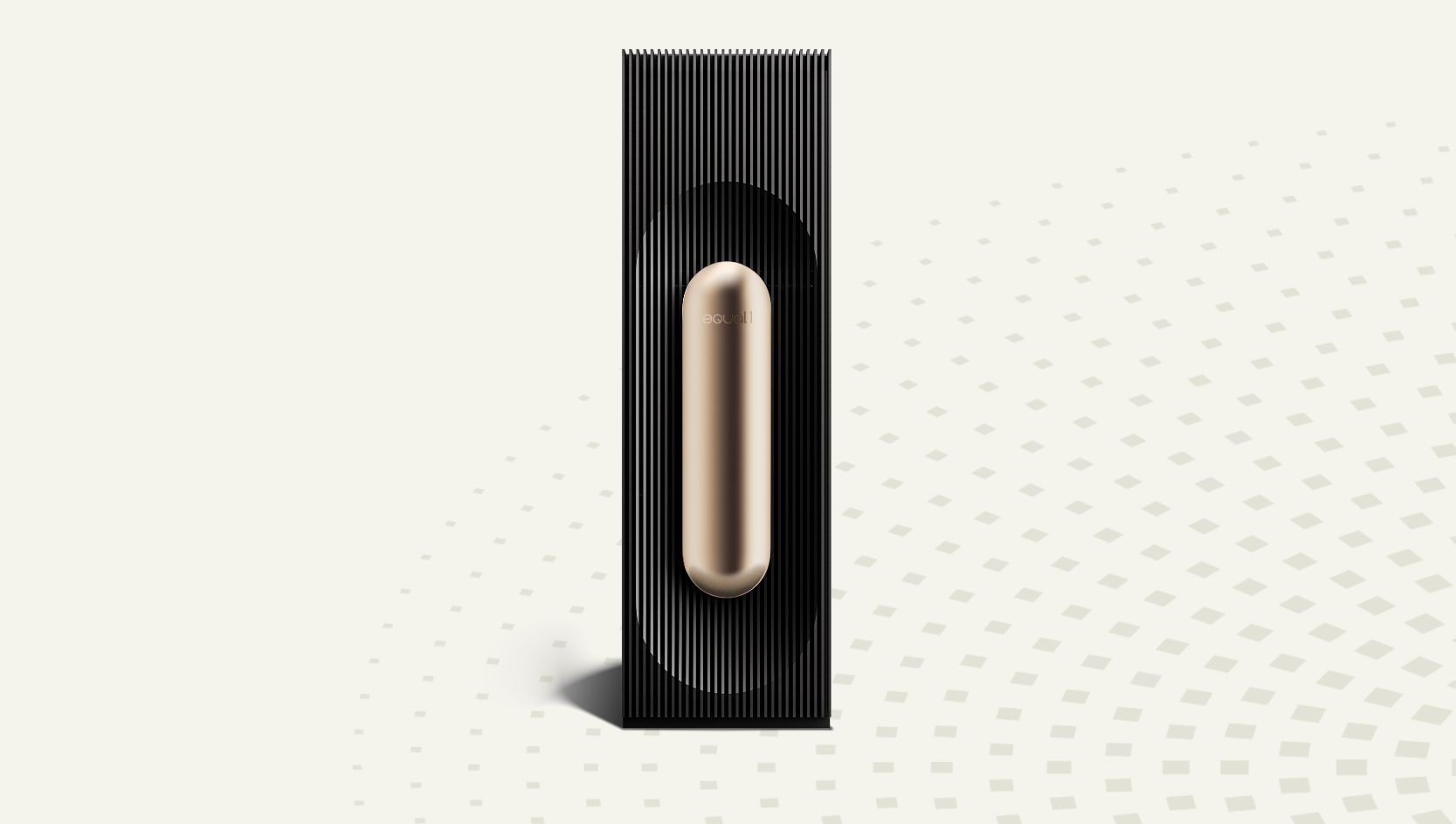
.avif)
Blog
July 31, 2026
by Jason Lynch, CEO
Ordinary infrastructure, extraordinary computing.
When we founded Equal1, our vision was simple: democratize quantum computing so it could help tackle the world’s greatest challenges.
That word, democratise, has always meant something very practical to me.
It means organizations should not need a specialized lab, a custom building, or a team of quantum specialists just to put quantum computing to work. It should live inside the compute environments they already trust, alongside the servers, the storage, and the network. An extraordinary citizen of the stack, but still a citizen.
That conviction is what makes ESA’s announcement so meaningful to me.
The European Space Agency’s first quantum computer is an Equal1 quantum computer.
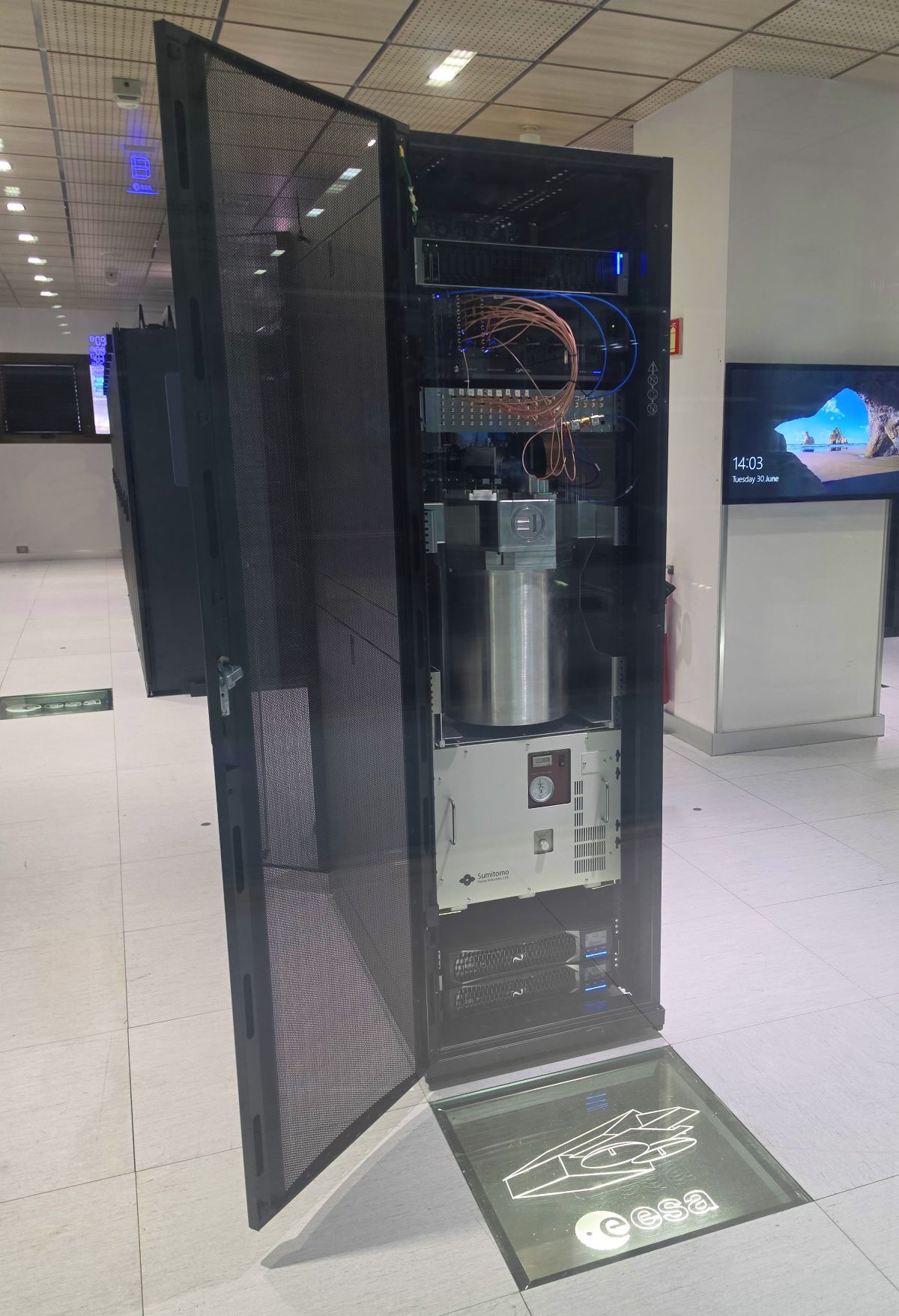
ESA has installed Equal1’s RacQ* quantum computer, which ESA refers to as Bell-1, at its Centre for Earth Observation in Frascati, Italy, where it will be integrated with ESA’s high-performance computing infrastructure.
Their researchers will use it to explore hybrid quantum-classical approaches to Earth observation, including climate modelling, disaster response, and satellite data analysis.
When we said the world’s greatest challenges, this is exactly what we meant.
Every day, satellites generate vast amounts of data about our planet. Turning that data into knowledge, and then into action, is one of the defining scientific and societal challenges of our time. If quantum computing is going to help with that work, it needs to be deployed close to the people, data, and systems already doing the job.
That is the significance of ESA’s deployment.
RacQ sits inside standard data center infrastructure, alongside classical compute. Not as a standalone system that demands a purpose-built environment around it, but as part of the stack itself.
At ESA, RacQ is installed in a standard rack within their high-performance computing environment, close to the classical systems that process satellite data so quantum and classical computing can work together. Everything it needs lives inside the rack: compute, control, cooling, standard power, and standard interconnect.
ESA’s Φ-lab is using that proximity to prototype hybrid quantum-classical algorithms and benchmark them on real Earth observation datasets.
For Equal1, this is a major milestone: ESA, Europe’s space agency and one of the world’s leading scientific institutions, is putting our technology directly into its compute environment to explore real-world applications on real-world data.
It is also a glimpse of where quantum computing will inevitably go: out of the lab, into the stack. Accessible. Deployable. Integrated. Useful.
Thank you to the ESA and Φ-lab teams for their leadership and partnership. We are proud to be part of this step toward practical quantum computing for Earth observation, climate science, and the global challenges that demand every tool we can bring to them.
*In the blog post ESA mentions our old brand name of Bell-1. You may know it as the Equal1 RacQ. Same machine.
#ESA #QuantumComputing #Equal1 #EarthObservation #HPC #HybridQuantum #Innovation
Fits the rack. Co-located with classical compute. Hybrid by default.